
Η γέννηση του παιδιού σου είναι μια καθοριστική στιγμή για τη ζωή σου. Στόχος μας είναι να ζήσεις μια θετική και ασφαλή εμπειρία γέννας, που είναι η βάση για μια καλή λοχεία και μια ομαλή μετάβαση στο νέο σου ρόλο ως γονέας.
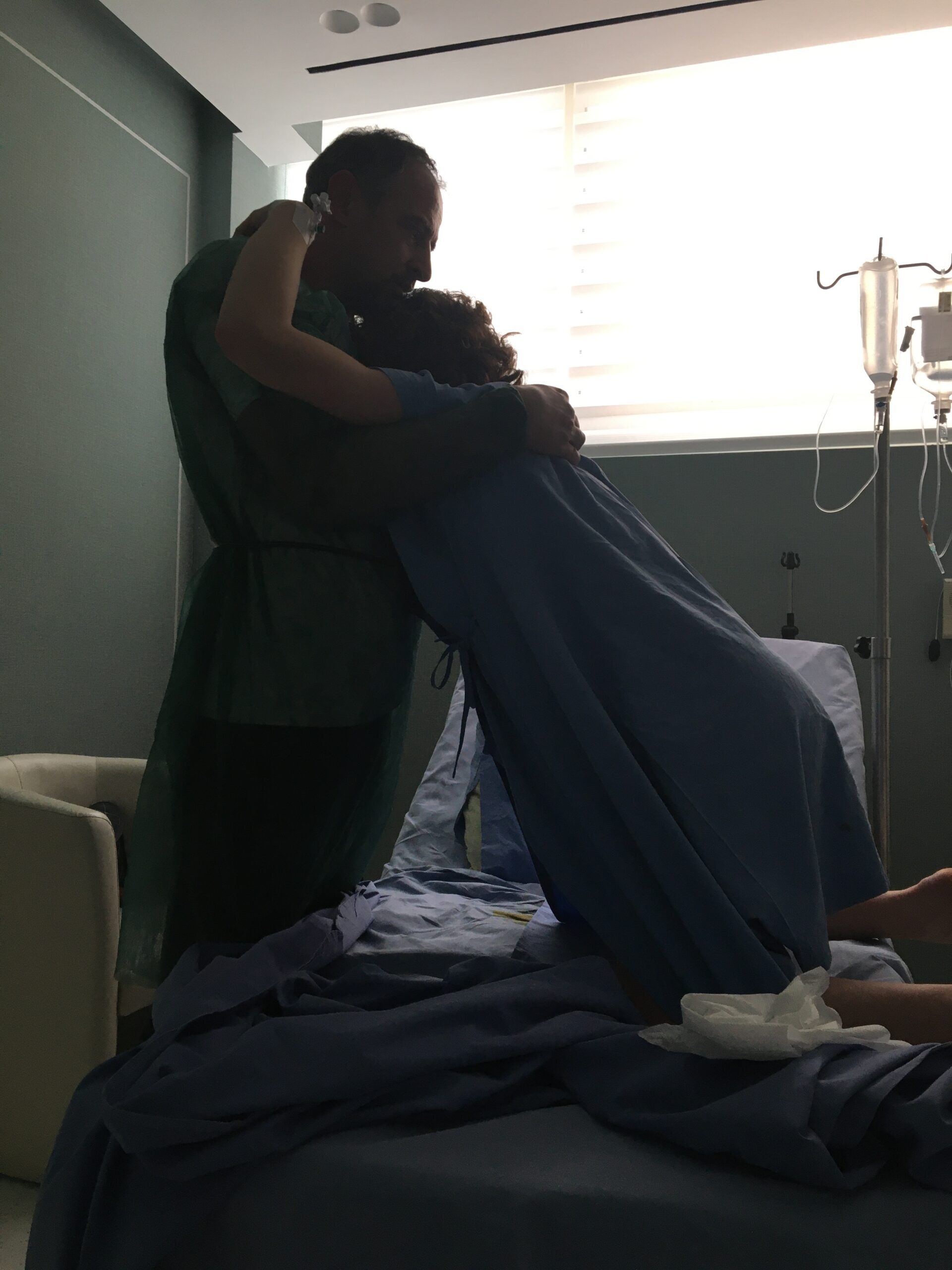
The birth of a child is a defining moment in every person’s life. Our goal is for you to have a positive and safe birth experience, which lays the foundation for a good postpartum recovery and a smooth transition into your new role as a parent.
Giving birth in a hospital can be comfortable, calm, and respectful of your privacy. The preparation you have done for your birth, your expectations and dreams, together with being informed about the choices available to you, form the foundation of your Birth Plan, which your midwifery team will support throughout your labor and birth.
A hospital birth can take place in water, in the labor room, or in the delivery room, depending on where you feel safest and most comfortable. In all private maternity hospitals, you can have a birth companion of your choice with you throughout the process.
Our team has a high rate of physiological births in hospital settings, without the use of pharmacological or other obstetric interventions, as well as exceptionally low rates of episiotomy and vacuum-assisted delivery.
Our team works with all major private maternity hospitals in Athens, as well as with selected maternity hospitals outside Athens.
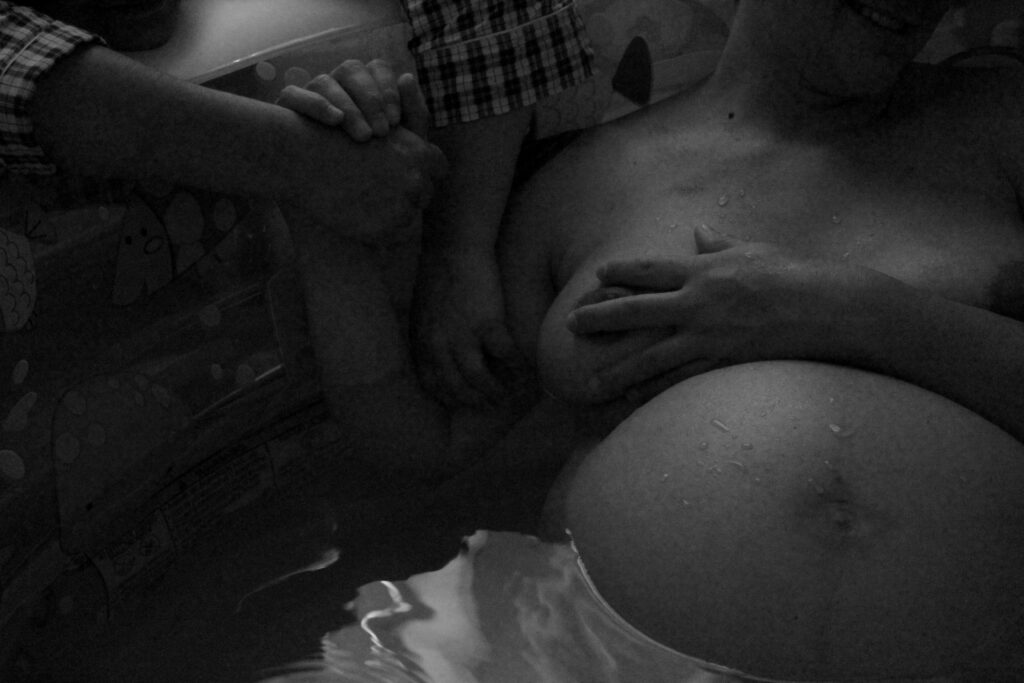
Home birth can be a beautiful, safe, and empowering experience. Birth is deeply influenced by our surroundings, and being in the familiar comfort, privacy, and warmth of your own home can create an environment in which you feel safe, relaxed, and supported.
Families who choose home birth often describe feeling more involved in decision-making and having a greater sense of autonomy throughout their birth experience. For many parents, home birth is also a conscious choice to avoid unnecessary interventions and the unfamiliar environment of a hospital.
Evidence suggests that, for low-risk pregnancies, planned home birth with midwifery care is an equally safe option as hospital birth. Research has also associated planned home birth with lower rates of medical interventions and certain maternal outcomes, as well as positive breastfeeding outcomes (Hutton et al., 2019; Quigley et al., 2016; Reitsma et al., 2020).
Around 50% of the births attended by Midwives for All take place at home, with the majority progressing without pharmacological or other obstetric interventions.
Our team also supports families planning home births throughout Greece, in rural areas, islands as well as some peripheral urban centres.
As part of creating your Birth Plan, we take the time to discuss your options should a transfer to hospital become necessary. Together, we create a personalised “Plan B”, so that you feel prepared for every possibility.
Depending on your preferences and circumstances, this may involve transferring to a private hospital with a collaborating obstetrician or to a public hospital.
Our aim is to support you in making informed choices, while keeping you and your baby at the centre of every decision.
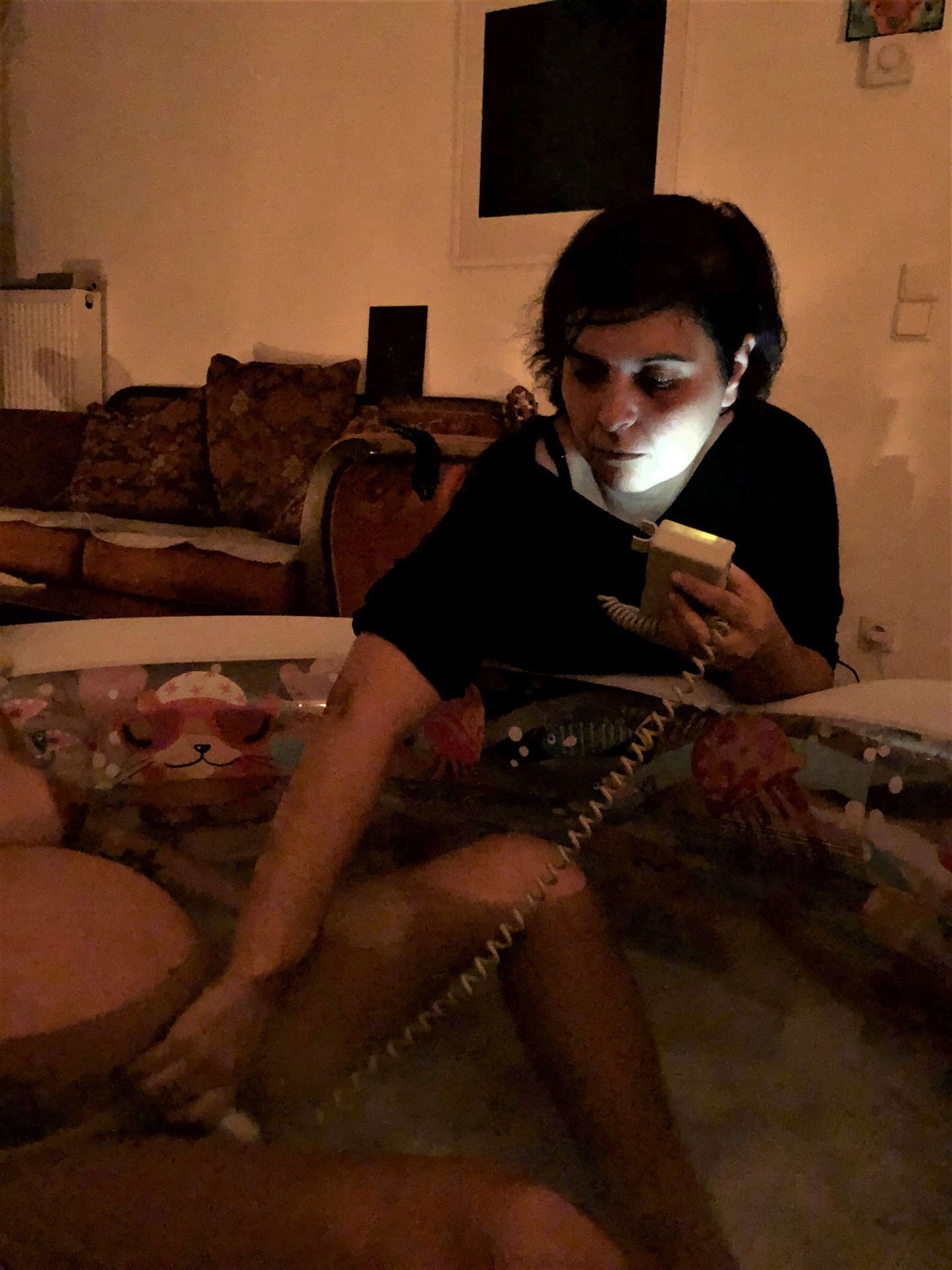
Water birth can take place both in a maternity hospital (there are now two maternity clinics in our country that have dedicated birthing pools) and at home. You can spend part of your labor in a pool filled with warm water, or you can give birth to your baby in the water.
When a baby is born in water, the mother or midwife slowly brings the baby to the surface. The water is usually kept at a temperature of 35–37°C, which is close to the temperature the baby was surrounded by inside your body. Because of this stable temperature and the transition from the body to the pool, babies born in water “recognize” that they have been born when they are brought out of the water. Once they are exposed to the cooler environment, their respiratory system is activated and they take their first breath.
Water birth has a number of beneficial effects. The warm water promotes natural relaxation of the uterus, making contractions more manageable. The body also feels lighter in water, allowing you to change positions more easily. Water can also help you focus and reduce stress levels.
Research has also shown that women who give birth in water may be less likely to require an epidural, experience perineal tearing, or have their baby experience certain complications after birth (Shaw-Battista, 2017; Bovbjerg et al., 2021).
Our team has experience supporting water births, both in maternity hospitals and at home.
Σύμφωνα με τον Παγκόσμιο Οργανισμό Υγείας αλλά και την εμπειρία μας στην μαιευτική πρακτική, 1-2 μωρά στα 10 χρειάζεται να γεννηθούν με καισαρική τομή. Αυτό το ποσοστό συμπεριλαμβάνει εγκυμοσύνες που έχουν απόλυτη ένδειξη την καισαρική (πχ. επιπωματικός πλακούντας, εγκάρσια θέση εμβρύου). Περιλαμβάνει όμως επίσης τις γέννες που ξεκίνησαν για να ολοκληρωθούν κολπικά, αλλά κατέληξαν σε καισαρική, όπως επίσης και τις καισαρικές που γίνονται κατ’ επιλογή της μητέρας.
Με βάση την επιστημονική έρευνα γνωρίζουμε ότι η κολπική γέννα έχει σημαντικά οφέλη για τη μητέρα και το παιδί της και ότι η καισαρική τομή είναι ένα σοβαρό κοιλιακό χειρουργείο που δεν πρέπει να γίνεται ως ρουτίνα. Ωστόσο στις μέρες μας όταν η καισαρική τομή όταν διενεργείται για τους σωστούς λόγους, συμβάλει σημαντικά στην καλή υγεία της δυάδας μητέρα παιδιού.
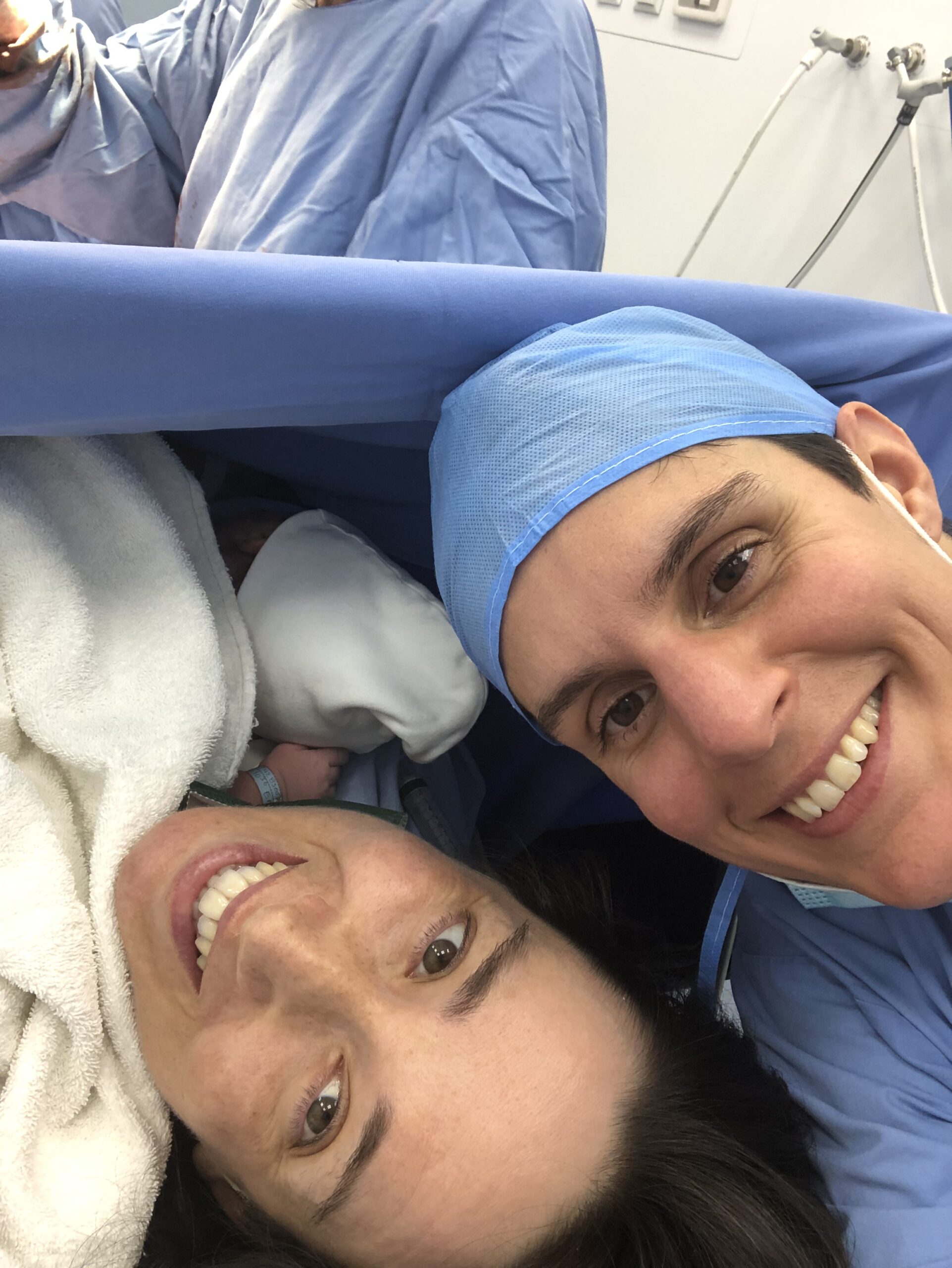
Μέσα στο πέρασμα των χρόνων η καισαρική τομή έχει εξελιχθεί και αποτελεί σήμερα ένα αρκετά ασφαλές χειρουργείο. Μάλιστα, διεθνώς υπάρχει η τάση να διενεργούνται «ήπιες καισαρικές» (gentle caesarean) τόσο ως προς τη τεχνική του χειρουργείου, την ενεργή συμμετοχή της μητέρας κατά τη διάρκεια της διαδικασίας.
Έτσι πλέον στις μέρες μας μια ήπια καισαρική περιλαμβάνει μια μικρότερη τομή, πιο αργή έξοδο του παιδιού από την κοιλιά, δυνατότητα της μητέρας να δει τη έξοδο του παιδιού της, τη μέθοδο του κολπικού αποικισμού (vaginal seeding), αλλά και άμεση επαφή δέρμα-με-δέρμα (skin to skin) αμέσως μετά τη γέννηση του παιδιού.